Why Traditional Forecasting Fails: The Silent Saboteur of Supply Chains
In the fast-paced world of Consumer Packaged Goods (CPG), Food, Fashion, Pharmaceuticals and many more fast moving industries, effective demand planning is not just an advantage—it's a daily battle for survival.
Traditional forecasting methods, reliant on historical data, are increasingly failing to keep pace with today's dynamic market. This document explores the critical pain points stemming from outdated demand planning, introduces a revolutionary approach to real-time intelligence, details its operational mechanics, and presents tangible case studies.
We will identify key beneficiaries, quantify the business value, and conclude with a clear call to action for transforming your demand agility.
From Guesswork to Real-Time Intelligence: Introducing Demand Sensing
The era of static, monthly forecasts is over. Today's market demands a paradigm shift from reactive guesswork to proactive, real-time intelligence. Demand Sensing is this crucial evolution, empowering businesses to respond with unprecedented speed and precision.
Faster
Forecasts are refreshed daily, or even hourly, capturing immediate shifts in consumer behavior and market conditions.
Finer
Achieve unprecedented granularity, down to the SKU level, individual channels, and even specific store clusters.
Smarter
Advanced AI models analyze real-world signals including POS data, inventory levels, weather patterns, social trends, and market indicators.
This dynamic approach transforms raw data into actionable foresight, enabling businesses to anticipate and adapt rather than merely react.
The Demand Sensing Engine: How It Works
The power of demand sensing lies in its continuous, iterative process, leveraging advanced analytics and artificial intelligence to create a highly responsive and accurate forecast. It's a sophisticated engine designed for the complexities of modern supply chains.
1. Ingest
Integrate diverse data streams: real-time POS data, distributor inventory, e-commerce transactions, quick commerce orders, and external signals like weather, social media sentiment, and local events.
2. Analyze
Proprietary AI and machine learning algorithms identify and quantify causal drivers. For example, a sudden heatwave will trigger an immediate predicted surge in beverage demand, or a local festival will impact specific product categories.
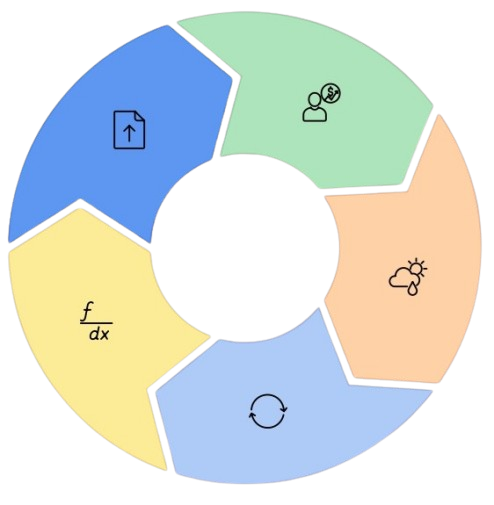
3. Forecast
Generate highly accurate, near real-time demand forecasts. The AI continuously calibrates and refines its models based on the latest incoming data, moving beyond static historical averages.
4. Refresh
The entire cycle operates on a continuous refresh basis, typically daily or even hourly. This agility ensures that forecasts are always reflective of the very latest market conditions, providing a true competitive edge.
5. Execute
Seamlessly integrate refined demand signals with existing supply chain execution systems, including production planning, inventory management, and logistics, enabling proactive decision-making.
This closed-loop system ensures that your operations are always aligned with genuine market demand, minimizing waste and maximizing customer satisfaction.
Results That Matter: Proof of Impact
Demand sensing isn't just theoretical; it delivers quantifiable improvements across diverse industries. Our clients have experienced significant positive impacts on their bottom line and operational efficiency.
Reduced Inventory
A retail client achieved a 15% reduction in safety stock while maintaining service levels.
Improved Forecast Accuracy
A CPG manufacturer saw a 10% increase in forecast accuracy at the SKU-location level.
Faster New Product Launches
An electronics company accelerated new product introduction cycles by 20% due to better demand insights.
Cost Savings
A food distributor realized over $2 million in annual savings from optimized production and reduced waste.
These examples underscore the versatility and tangible benefits of applying real-time demand sensing across different business contexts.
From Forecasts to Bottom-Line Gains: Tangible Business Value
The adoption of demand sensing translates directly into measurable business benefits, impacting everything from operational costs to customer satisfaction and capital efficiency. It's not just about better numbers; it's about a healthier, more resilient business.
15-30% better forecast accuracy
Directly leading to fewer stockouts and reduced overstocking.
Up to 20% lower near-expiry waste
Especially critical for CPG and Food, minimizing write-offs and improving sustainability.
Improved on-shelf availability (OSA)
Ensuring products are where and when customers want them, building stronger consumer trust and loyalty.
Optimized working capital
By holding less unnecessary inventory, capital is freed up for investment in growth and innovation, reducing holding costs.
These metrics represent a significant competitive advantage, allowing businesses to navigate market volatility with confidence and precision.
Industries Unlocking Agility with Demand Sensing
While the principles of demand sensing are universally valuable, certain industries, due to their unique market dynamics and product characteristics, stand to gain the most significant competitive advantage. These sectors operate with high volatility, short product lifecycles, or critical supply chain dependencies.

CPG & Food
From dairy and bakery to beverages and frozen foods, rapid shifts in consumer preference and promotional effectiveness demand hyper-accurate forecasting.

Retail & Quick Commerce
Instant gratification and fluctuating foot traffic (or digital traffic) require immediate adjustments to inventory and fulfillment strategies.
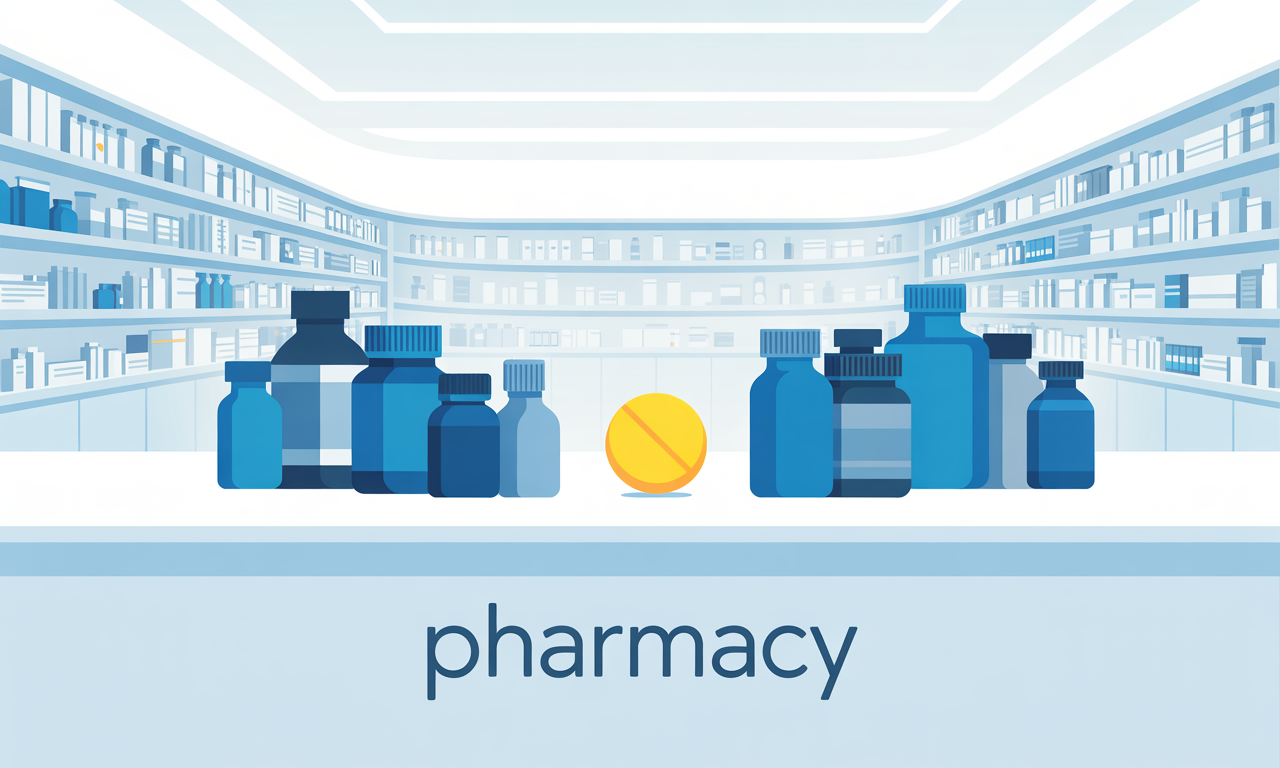
Pharmaceuticals
Critical for managing short-shelf-life products, responding to health crises, and ensuring timely distribution of essential medicines.

FMCG Personal Care
Sensitive to trends, influencer marketing, and seasonal demand, requiring agile adjustments to production and distribution.

Consumer Electronics
Rapid product cycles and high-value inventory make precise demand signals crucial for managing component sourcing and avoiding obsolescence.
These industries, characterized by complex supply chains and sensitive market conditions, are ideal candidates for leveraging demand sensing to drive efficiency and profitability.
Let's Co-Create the Future of Demand Agility
In an increasingly unpredictable world, the ability to anticipate and respond to demand fluctuations is paramount. Bluemingo Demand Sensing empowers your organization to move beyond reactive measures, transforming real-time signals into actionable foresight.
"We don't just provide software; we partner with you to build a resilient, demand-driven supply chain that optimizes every aspect of your operations."
Ready to transform your supply chain from a cost center into a strategic differentiator? Let's start the conversation today and unlock the true potential of demand agility for your business.